October 23, 2026
AI Model Evaluation Workflow Guide: From Build to Monitor
Your labeling platform is already an AI model evaluation workflow with a different input. Here is the six-step loop, and the evidence for why teams break it.
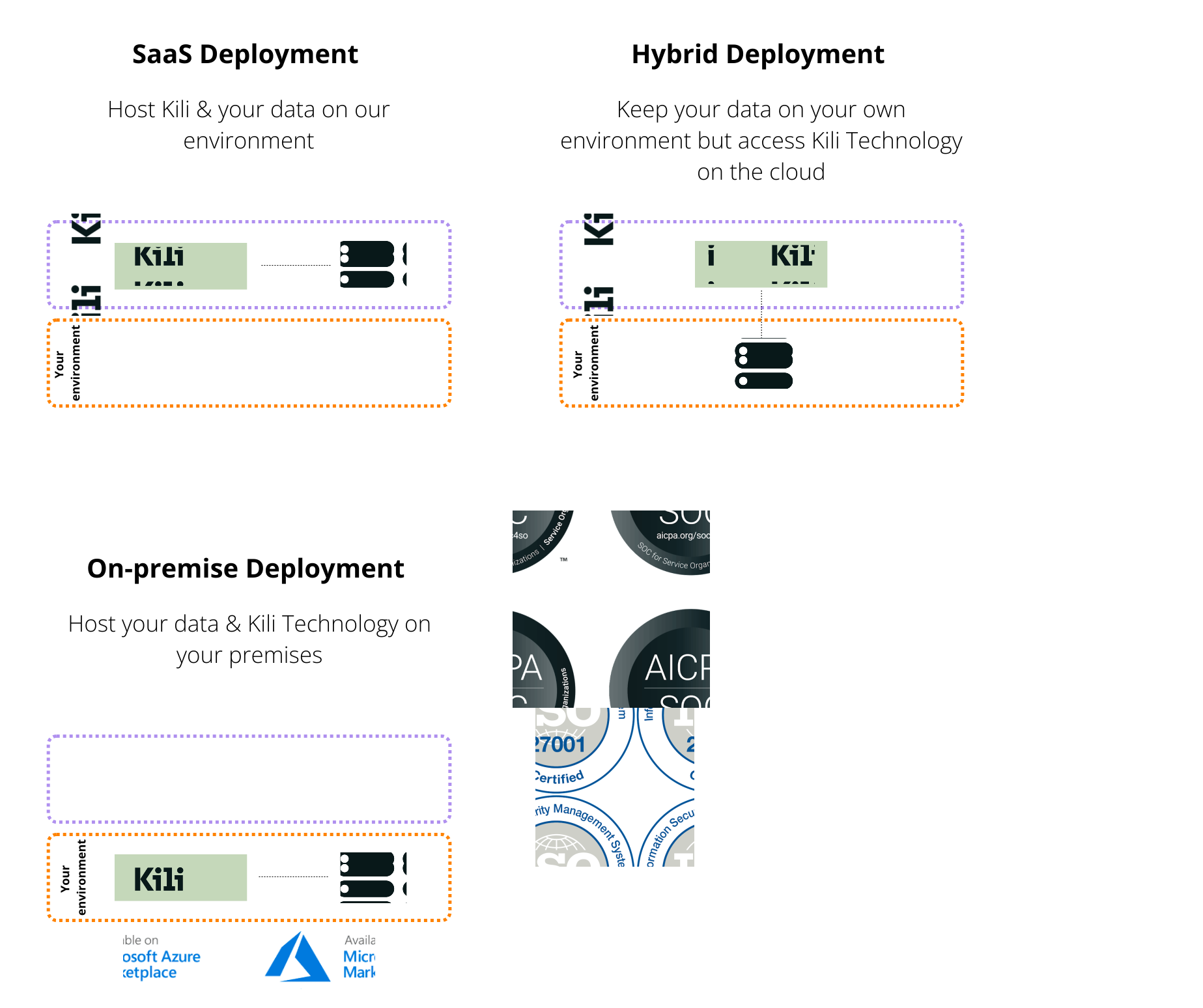
Defense and aerospace AI runs on data that can't leave your perimeter. Kili deploys inside it: fully on-premise on your own Kubernetes or Docker infrastructure, with no internet or root access required after install. Same quality workflows, same review pipelines, same analytics — running on your hardware, under your controls, at the scale your programs demand.
.svg)
.svg)
.svg)




Self-hosted open-source gives you data sovereignty and leaves you to build the workforce and quality layer yourself. Most commercial platforms give you the platform, but only in their cloud. Kili's on-premise deployment is a deployment mode of the same product — not a stripped-down edition. Gold-standard testing, inter-annotator consensus, review scoring, model-agreement checks, configurable multi-stage review with enforced step separation, per-contributor analytics, and the full GraphQL API and Python SDK all come with it.
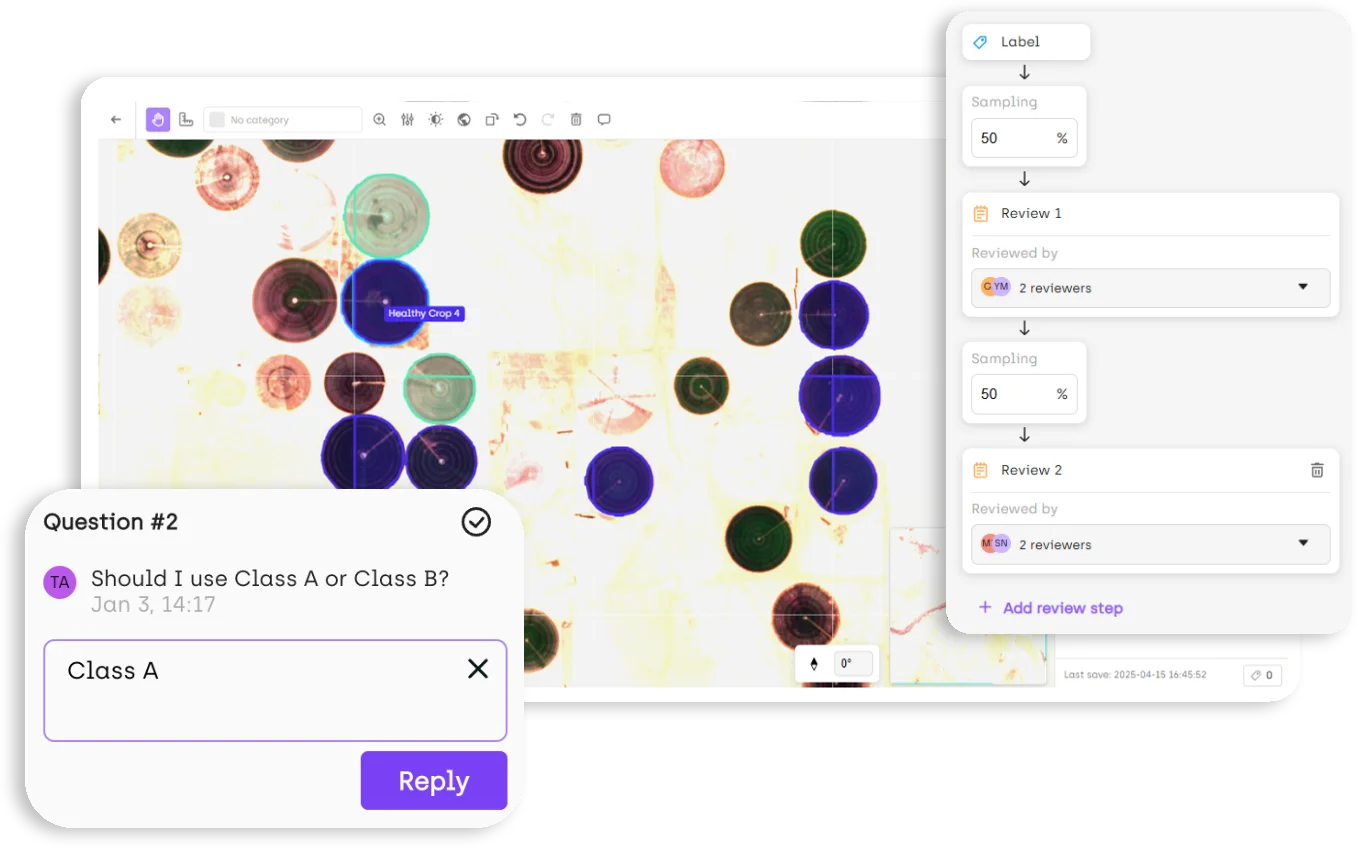
Stop bottlenecking AI development on data science teams alone. Kili brings quality engineers, systems specialists, and imagery analysts directly into validation — with the guardrails that make their judgments auditable rather than just fast. Multi-stage review with configurable sampling rates. Enforced step separation, so no one signs off on their own work. Four independent quality measures.
Computer vision for inspection. Geospatial and satellite imagery. Sensor data for predictive maintenance. Document and text processing. Kili runs image, video, text, PDF, audio, and geospatial in one platform, with an organization-level user pool deployed across dozens of concurrent projects — each with its own ontology, team, clearance boundary, and deadline. Project-level data isolation means programs stay separated by default, with integrations restrictable per project and full audit trails throughout.
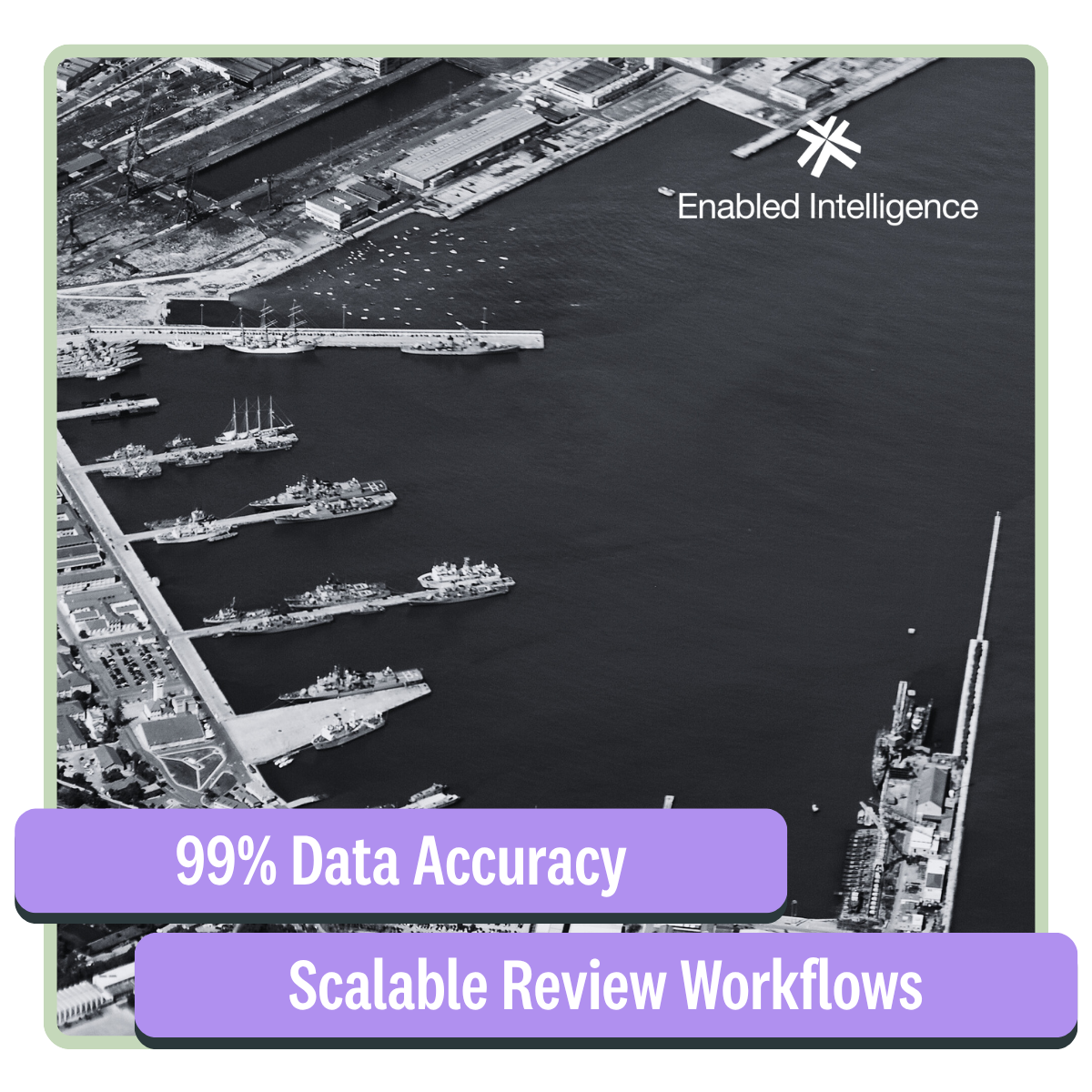
Trusted by the NGA for their most ambitious geospatial intelligence projects, Enabled Intelligence use Kili Technology as a core part of their data processing program. They run millions of labels across thousands of geospatial images for defense, agriculture, and disaster recovery — hitting 95%+ accuracy on training data and 99%+ on ground truth, meeting military and intelligence standards.




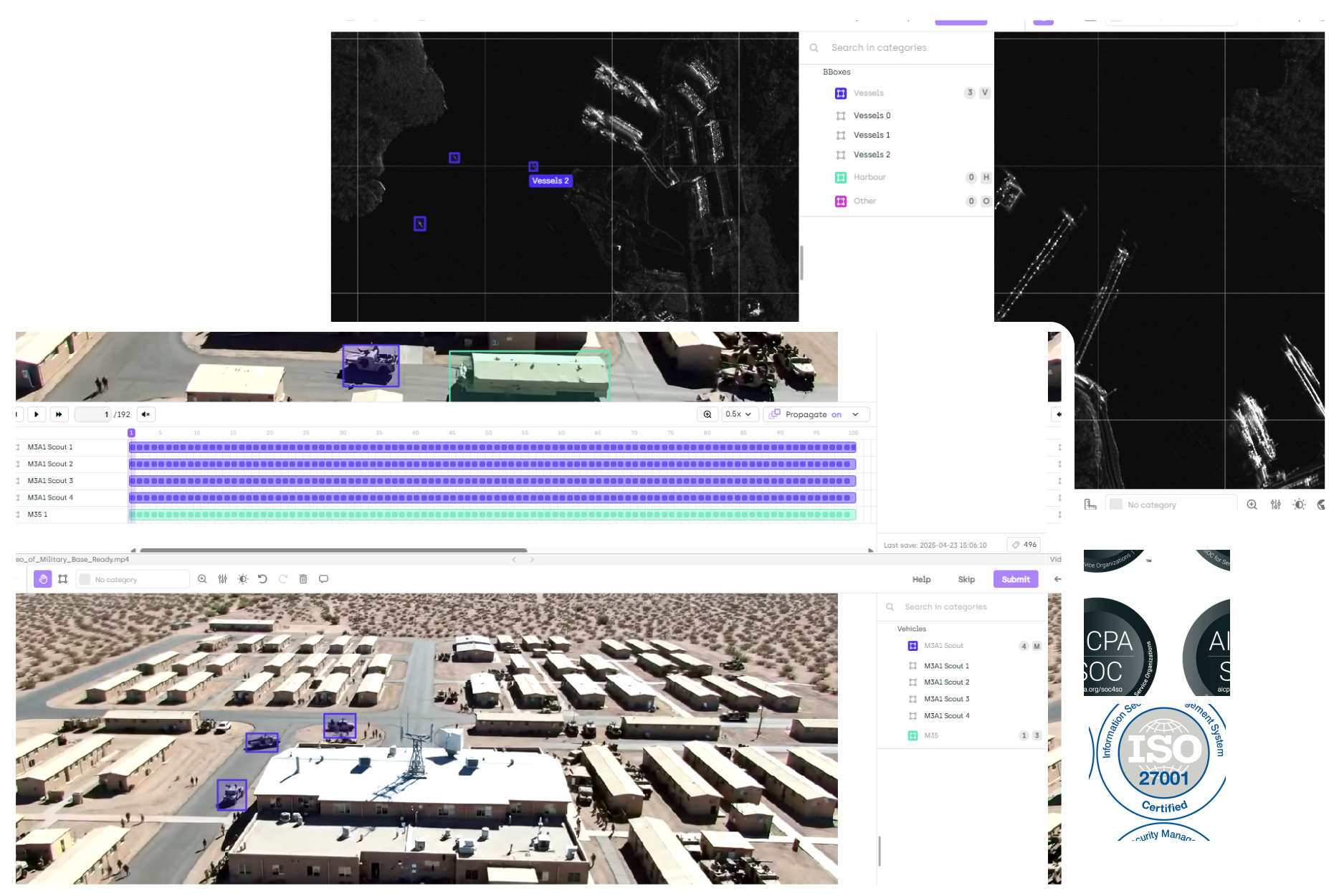
Object detection, change detection, and facility classification span thousands of satellite and aerial images. Kili's dedicated geospatial project type handles coordinate reference systems, external layers, and multi-stage review at volume.
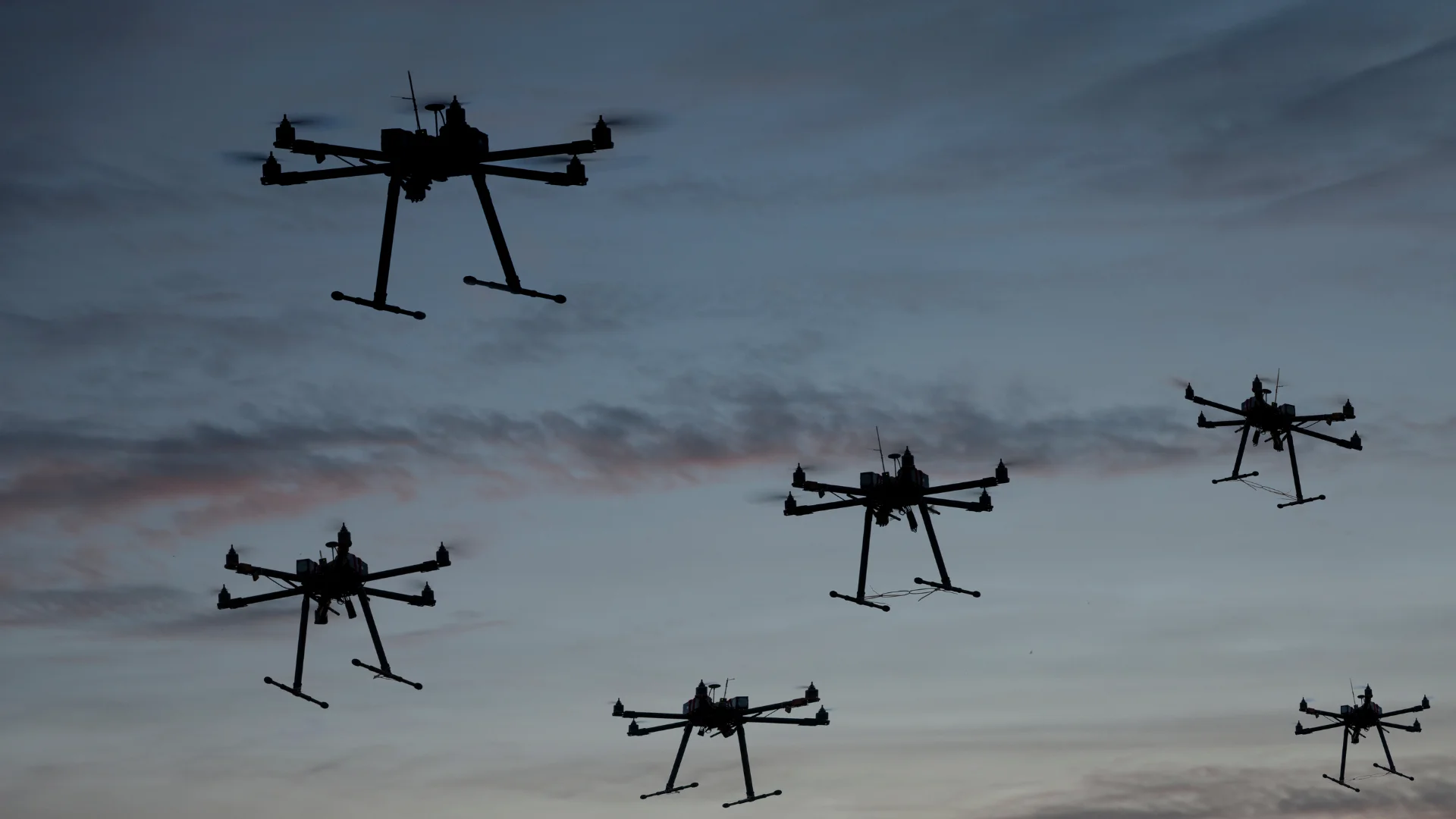
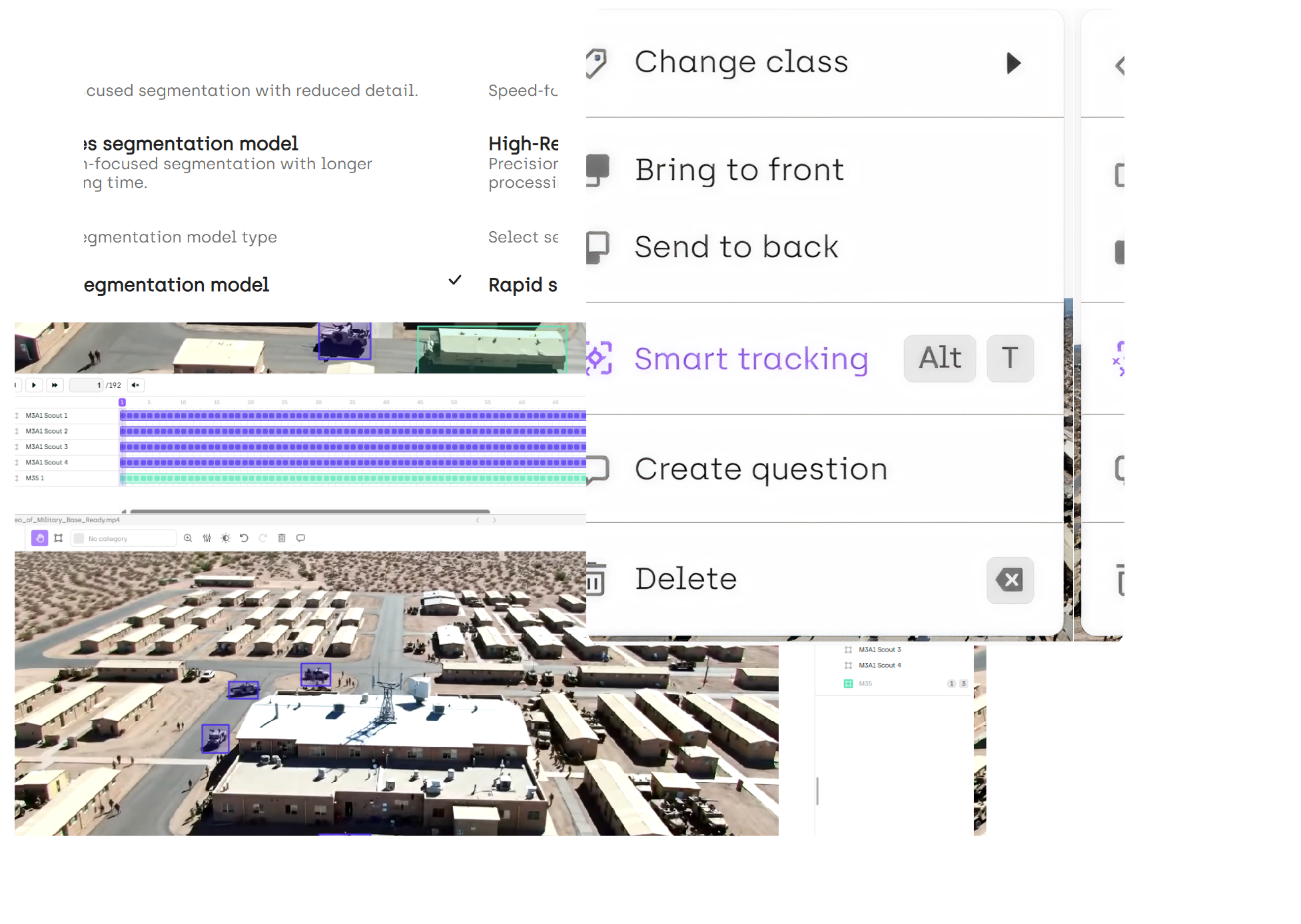
Reconnaissance UAVs generate more full-motion video than analysts can label by hand. Kili annotates video with object tracking across frames, while consensus catches drift on the ambiguous frames that matter. The same quality standard applies whether footage runs in the cloud or air-gapped on your own infrastructure.
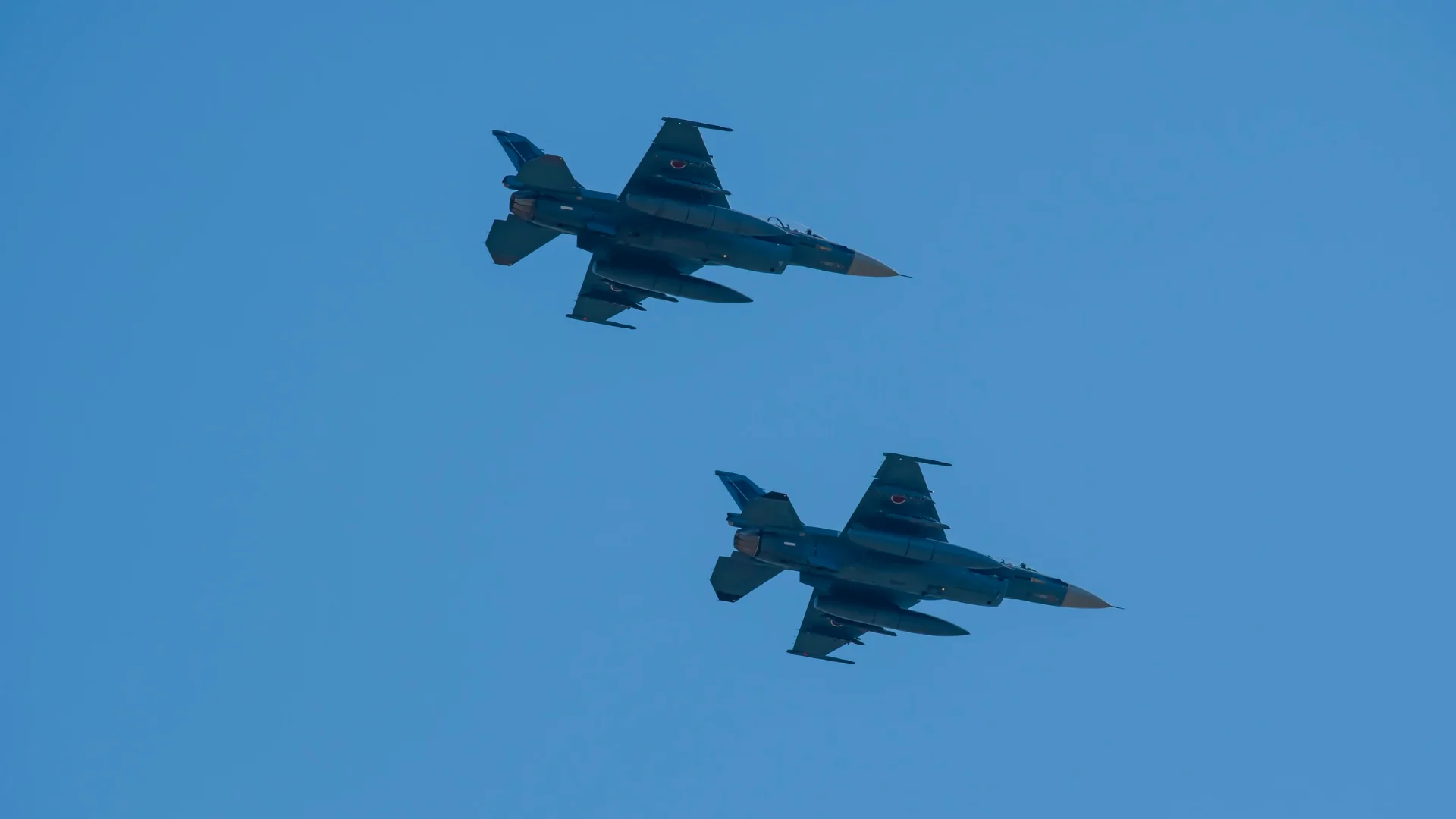
Ground, maritime, and aerial photo streams feed the ATR and object-classification models behind threat identification. Kili labels stills at scale with bounding-box, segmentation, and SAM-assisted tools. Gold-standard testing and consensus keep accuracy provable across every analyst.

Intercepted comms, mission debriefs, and multilingual field audio need accurate transcription and reliable speaker separation before analysts can act. Kili handles diarization and transcription with the same multi-stage review used across every modality. The judgments feeding your speech and language models stay measurable — cloud or air-gapped.
Kili Technology is a complete data suite that supports all data types and handles specialized formats for domain-specific requirements.
Stay up to date with fresh content from our team — tutorials, use cases, and ideas to help you grow.
Yes, Kili provides extensive integration capabilities through Python SDK, REST API, and CLI for seamless DataOps. The platform integrates with MLOps tools like MLflow, Weights & Biases, and Kubeflow. Direct storage integration with AWS S3, Google Cloud Storage, and Azure Blob ensures assets remain in your infrastructure while annotations sync bidirectionally.
Yes, Kili Technology offers multi-layer interfaces specifically designed for multispectral and hyperspectral imagery. This enables teams to work with complex satellite data containing multiple spectral bands, essential for applications in precision agriculture, environmental monitoring, and urban planning.
Kili Technology scales to support as many seats as needed. The platform's largest clients have more than 100 seats as part of their contract, with a high-availability architecture designed to handle millions of assets and concurrent annotators working on complex geospatial annotation projects.
Kili implements quality workflows specifically designed for video annotation, including inter-annotator agreement tracking across temporal sequences and programmatic QA for frame consistency. The platform ensures safety-critical edge cases are properly labeled through consensus workflows.
Stay up to date with fresh content from our team — tutorials, use cases, and ideas to help you grow.
.png)